

AI Development
We design and build production-ready AI systems, LLM integrations, AI agents, RAG platforms, workflow automation and intelligent business software.
- OpenAI
- Claude
- RAG
- AI Agents
- Prompt Engineering
- Estimated timeline
- Typically 6–10 weeks for a production RAG or single-agent system, longer for multi-system integrations
- Platforms
- Cloud · On-Premise · Hybrid
- Tech stack
- OpenAI · Claude · LangChain · Python
Our approach
We design and build production-ready AI systems, LLM integrations, AI agents, RAG platforms, workflow automation and intelligent business software.
- Production AI
Real AI systems integrated into business workflows, not a chatbot demo that never ships.
- LLM Architecture
Model selection, orchestration, and retrieval designed before implementation begins.
- Scalable Deployment
Monitoring, evaluation, cost optimization, and continuous improvement built in from launch.
Everything under one roof
Everything included in this engagement, from architecture to long-term support — one team, one system.
Why companies choose Aixo Lab
- AI Architecture First
Model selection, retrieval strategy, and system boundaries are designed before a single prompt is written — not bolted onto an existing product as an afterthought.
- Production Reliability
AI features are built with fallbacks, evaluation, and monitoring from day one, so a model hiccup doesn't become a customer-facing outage.
- Vendor Independence
Architected so you're never locked into a single model provider — swapping OpenAI for Claude or Gemini is a configuration change, not a rewrite.
- Security by Design
Prompt injection defenses, data isolation, and access controls are part of the architecture, not a patch applied after a security review.
Built on a modern, production-grade stack
Every technology here is a deliberate choice, not a default.
How we work
The same disciplined process behind every engagement, from the first architecture decision to launch.
- 01Discovery

Understand the business problem and its real constraints.
- Output:
- Scope and goals document
- Your involvement:
- Initial workshop
- 02Product definition

Translate the problem into concrete product requirements.
- Output:
- Feature spec and priorities
- Your involvement:
- Requirements review
- 03UX/UI design
Design user flows and interface before development starts.
- Output:
- Wireframes and design system
- Your involvement:
- Design feedback
- 04Technical architecture
Define system structure, data flow, and technology stack.
- Output:
- Architecture document
- Your involvement:
- Technical review (optional)
- 05Iterative development
Build in short cycles with visible, regular progress.
- Output:
- Regularly shipped working versions
- Your involvement:
- Sprint review participation
- 06Quality assurance

Test functionality, performance, and security before release.
- Output:
- Test results and fixes
- Your involvement:
- Acceptance sign-off
- 07Launch

Deploy to production with a rollback plan in place.
- Output:
- Product deployed to production
- Your involvement:
- Launch approval
- 08Continuous improvement
Monitor, maintain, and evolve the product after launch.
- Output:
- Maintenance and improvement roadmap
- Your involvement:
- Regular check-in meetings
Built for real operating constraints
Every industry has its own compliance, integration, and scale requirements — we design for the ones that apply to you.
- Fintech

We design secure fintech platforms, payment systems, digital banking solutions and financial software engineered for scalability, compliance and high-volume transactions.
- Healthcare

We design and build secure healthcare software, patient platforms, medical management systems and digital health applications engineered for reliability, compliance and long-term scalability.
- Logistics

We design logistics platforms, fleet management software, warehouse systems and supply chain solutions engineered for real-time operations and long-term scalability.
- Retail and eCommerce

We design and build scalable eCommerce platforms, online marketplaces, retail management systems and omnichannel commerce solutions engineered for growth and long-term success.
- Education

We design and build modern education platforms, learning management systems, student portals and AI-powered learning experiences engineered for scalability and engagement.
See it in practice
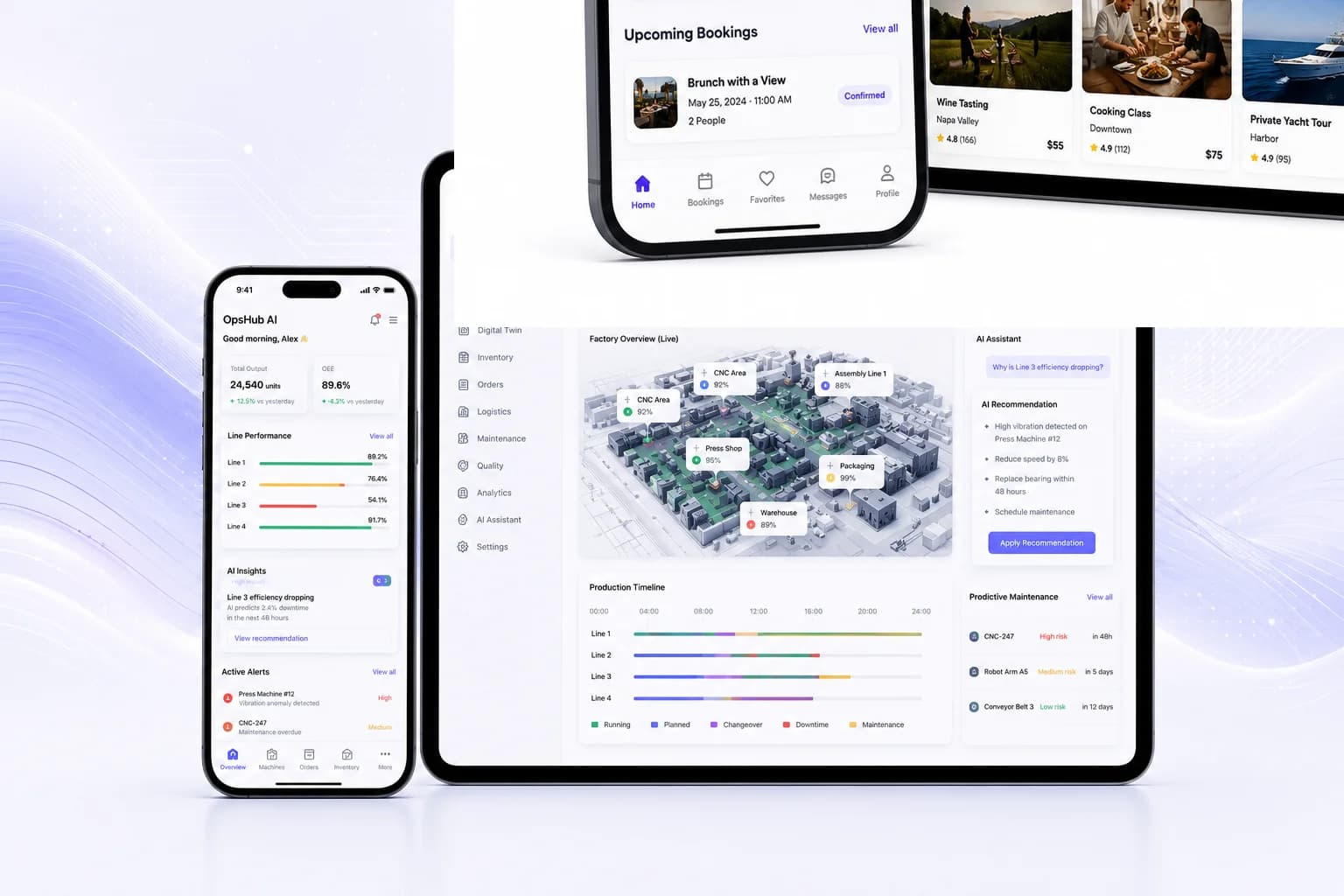
AI Operations Platform
An AI platform combining OpenAI, Claude, RAG, and internal APIs to automate document processing, semantic search, and decision support for a company managing thousands of operational requests.
The company managed thousands of operational documents, emails, and customer requests manually, with no way to search across them or triage incoming requests without a person reading every one.
We built an AI platform combining OpenAI, Claude, RAG, and internal APIs to automate document processing, semantic search, and decision support — routing requests, surfacing relevant documents, and drafting responses for human review.
70% reduction in manual work
95% faster document retrieval
Thousands of requests processed automatically
- OpenAI
- Claude
- Node.js
- Python
- PostgreSQL
- Vector Database
Frequently asked questions
Related reading
Practical guides worth reading while you're scoping this kind of project.
Prompt Engineering for Enterprise AI: A Practical Engineering Guide
Prompt engineering is the discipline of designing, structuring, and governing the inputs sent to a large language model — system prompts, context, tool definitions, output format — so its behavior is reliable, testable, and maintainable in production. This guide explains how prompt engineering is actually implemented, versioned, evaluated, and secured in enterprise AI systems, not a collection of clever one-off phrasings.
Read the guideEnterprise RAG Architecture: A Practical Engineering Guide
Retrieval-Augmented Generation (RAG) grounds a large language model's responses in real, current enterprise data by retrieving relevant content from a knowledge base and including it in the model's context before generation, instead of relying solely on what the model learned during training. This guide explains how RAG is actually architected, secured, and operated in production enterprise systems, not the marketing version of the idea.
Read the guideHow to Build AI Agents for Enterprise Software
An AI agent extends a large language model with reasoning, memory, and the ability to call tools and take real actions inside business systems — this guide explains how agents are actually architected, deployed, and governed in production, not the marketing version of what an agent is.
Read the guideAI Agents vs. Chatbots: An Enterprise Comparison Guide
A traditional chatbot follows scripted rules or intent-matched responses within a fixed conversation flow. An AI agent uses a large language model to reason, plan, call tools, and take multi-step action toward a goal. This guide compares them directly — architecture, cost, governance, and the enterprise use cases where each is actually the better engineering choice — remaining vendor-neutral throughout.
Read the guideTechnologies we build this on
The stack pieces most relevant to a project like this one.
OpenAI Integration
We integrate OpenAI models into enterprise software — AI assistants, retrieval-augmented search, and document intelligence architected for accuracy, cost control, and production reliability.
Explore the stackAI Agent Development
We build enterprise AI agents — systems that plan, call tools, and take real action in your existing software — architected for reliability, oversight, and production use, not chat demos.
Explore the stackREST API Development
We design and build enterprise REST APIs — resource modeling, authentication, versioning, and rate limiting architected as long-term contracts, not endpoints assembled to make one client work.
Explore the stackServices that pair with this work
Other engineering disciplines projects like this one often need alongside it.
Business Automation
Automate repetitive processes, connect disconnected systems and eliminate manual work through intelligent workflows, integrations and AI-powered automation.
Explore the serviceCustom Software Development
We design and build custom business software engineered around your operations, not adapted from off-the-shelf products.
Explore the serviceSaaS Development
We build scalable SaaS platforms designed for recurring revenue, multi-tenant architecture, subscriptions and long-term product evolution.
Explore the serviceWhat this looks like once built
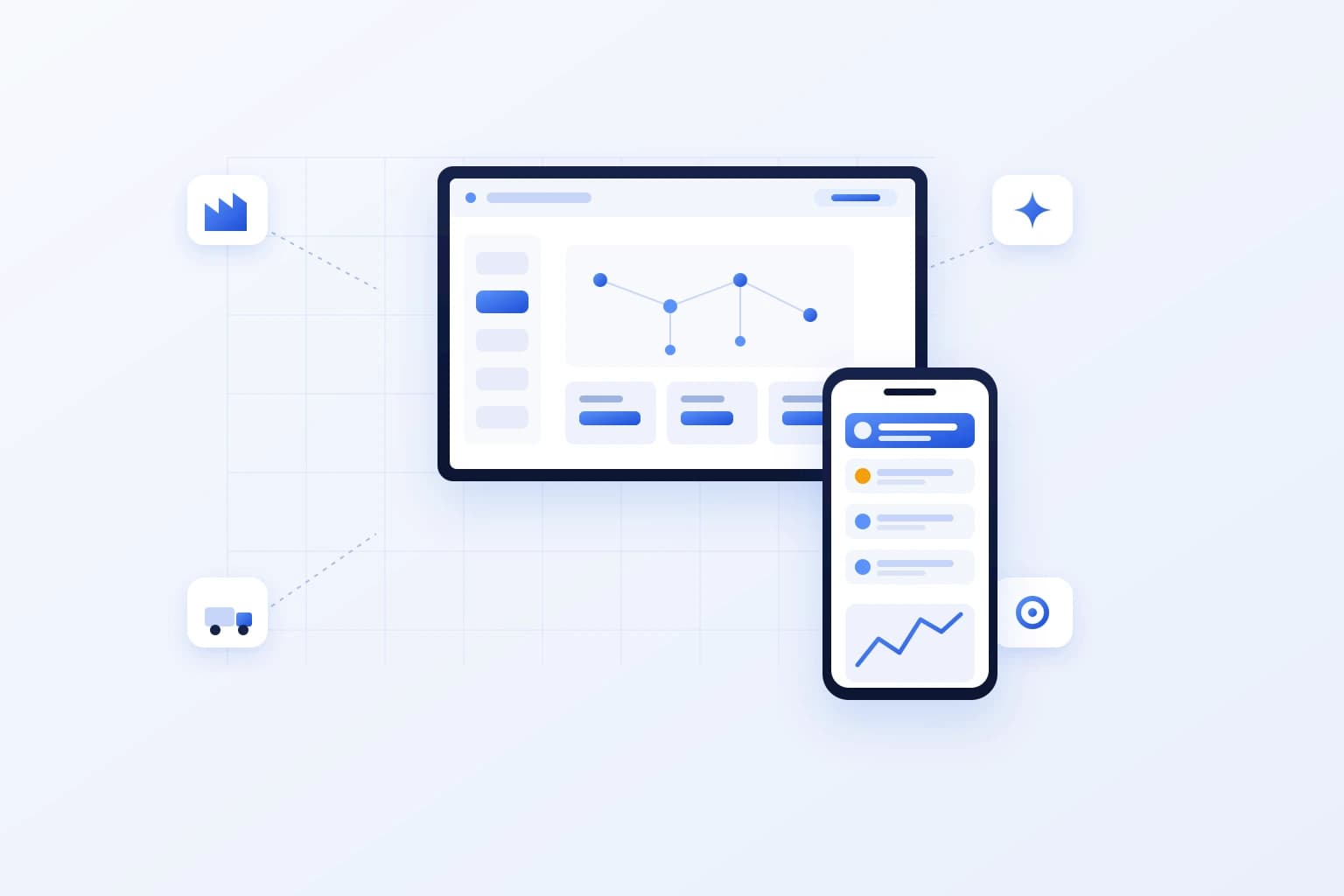
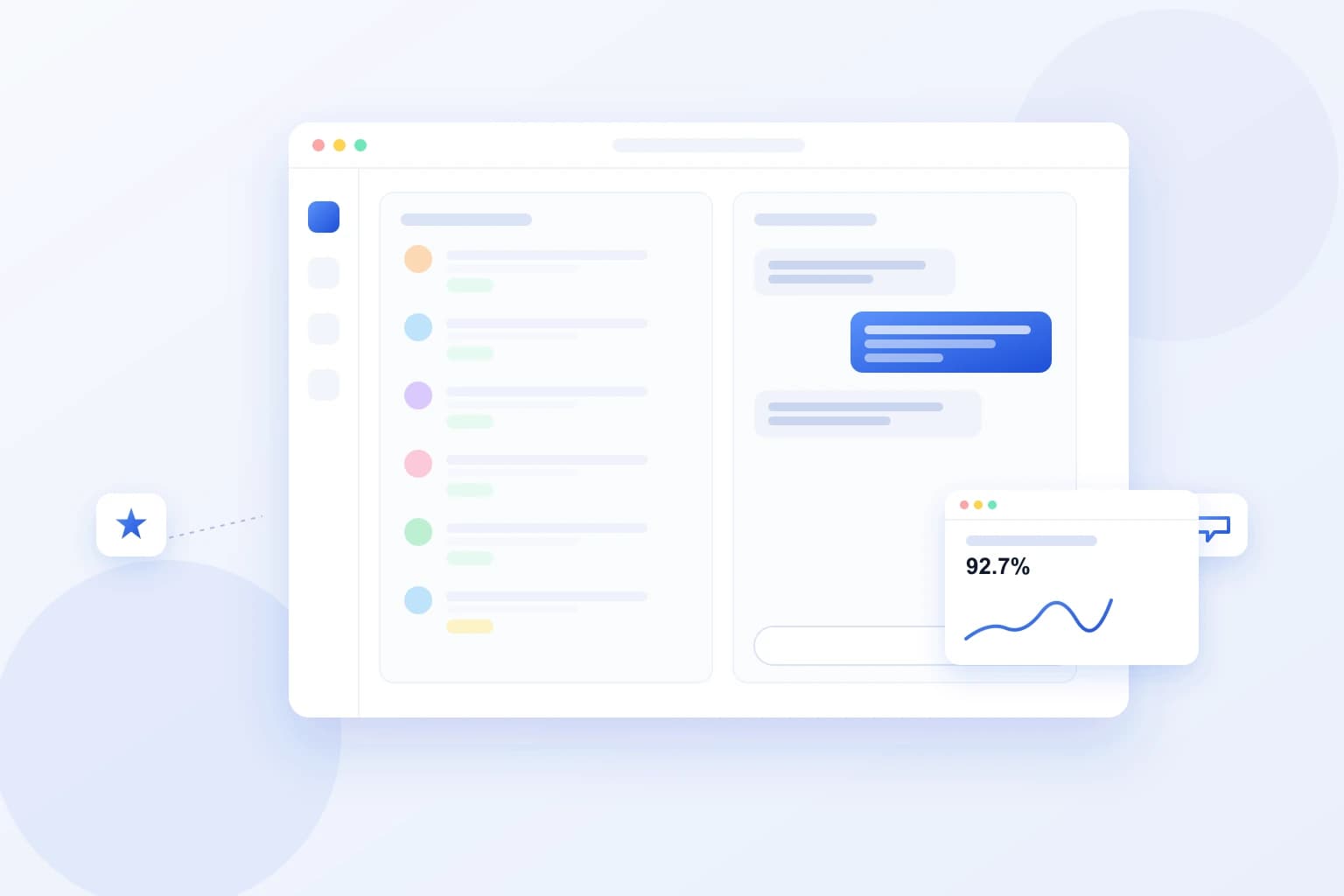
Reference architectures from our Representative Solutions collection that plausibly apply here.
Purpose-built platforms in this space
Dedicated landing pages for the specific platforms we build most often.
For CTOs and technical leadership
Executive-level engagements for organisations planning at a larger scale.
Ready to start your project?
Tell us what you're building — we'll tell you honestly whether we're the right fit.
No sales pressure. Just a direct technical conversation.