

Product Design
We design digital products that are intuitive, scalable and engineered around real user behaviour. From product strategy to production-ready interfaces.
- UX Research
- Design Systems
- UI Design
- Interactive Prototypes
- Product Strategy
- Estimated timeline
- Typically 6–10 weeks for a full product design engagement, longer for complex platforms
- Platforms
- Web · Mobile · Design Systems
- Tech stack
- Figma · Design Tokens · Component Libraries
Our approach
We design digital products that are intuitive, scalable and engineered around real user behaviour. From product strategy to production-ready interfaces.
- Product Thinking
Every design decision starts with business goals and user needs.
- Scalable Design Systems
Reusable components designed for long-term product evolution.
- Developer Ready
Designs prepared for efficient implementation.

Everything under one roof
Everything included in this engagement, from architecture to long-term support — one team, one system.
Why companies choose Aixo Lab
- Business Understanding
Design decisions are grounded in what the business actually needs to achieve, not trend-driven visual choices.
- User-first Design
Every flow is designed around real user behaviour, validated with research and testing, not assumptions.
- Engineering Collaboration
Design happens alongside development, not in isolation ahead of it — so nothing gets lost in handoff.
- Long-term Product Evolution
Design systems built to extend as the product grows, not redesigned from scratch with every new feature.
The design capabilities every serious product needs
Capabilities built into the design system from the start, not patched on after inconsistency creeps in.
A disciplined path from problem to production
The same eight-stage process behind every product we design, keeping user needs and engineering reality in balance.

Discovery
Research
Wireframes
UI Design
Prototype

Validation

Developer Handoff
Iteration
How we work
The same disciplined process behind every engagement, from the first architecture decision to launch.
- 01Discovery
Understand the business problem and its real constraints.
- Output:
- Scope and goals document
- Your involvement:
- Initial workshop
- 02Product definition
Translate the problem into concrete product requirements.
- Output:
- Feature spec and priorities
- Your involvement:
- Requirements review
- 03UX/UI design
Design user flows and interface before development starts.
- Output:
- Wireframes and design system
- Your involvement:
- Design feedback
- 04Technical architecture
Define system structure, data flow, and technology stack.
- Output:
- Architecture document
- Your involvement:
- Technical review (optional)
- 05Iterative development
Build in short cycles with visible, regular progress.
- Output:
- Regularly shipped working versions
- Your involvement:
- Sprint review participation
- 06Quality assurance
Test functionality, performance, and security before release.
- Output:
- Test results and fixes
- Your involvement:
- Acceptance sign-off
- 07Launch
Deploy to production with a rollback plan in place.
- Output:
- Product deployed to production
- Your involvement:
- Launch approval
- 08Continuous improvement
Monitor, maintain, and evolve the product after launch.
- Output:
- Maintenance and improvement roadmap
- Your involvement:
- Regular check-in meetings
Built for real operating constraints
Every industry has its own compliance, integration, and scale requirements — we design for the ones that apply to you.
- Fintech
We design secure fintech platforms, payment systems, digital banking solutions and financial software engineered for scalability, compliance and high-volume transactions.
- Healthcare

We design and build secure healthcare software, patient platforms, medical management systems and digital health applications engineered for reliability, compliance and long-term scalability.
- Logistics

We design logistics platforms, fleet management software, warehouse systems and supply chain solutions engineered for real-time operations and long-term scalability.
- Retail and eCommerce

We design and build scalable eCommerce platforms, online marketplaces, retail management systems and omnichannel commerce solutions engineered for growth and long-term success.
- Education

We design and build modern education platforms, learning management systems, student portals and AI-powered learning experiences engineered for scalability and engagement.
See it in practice
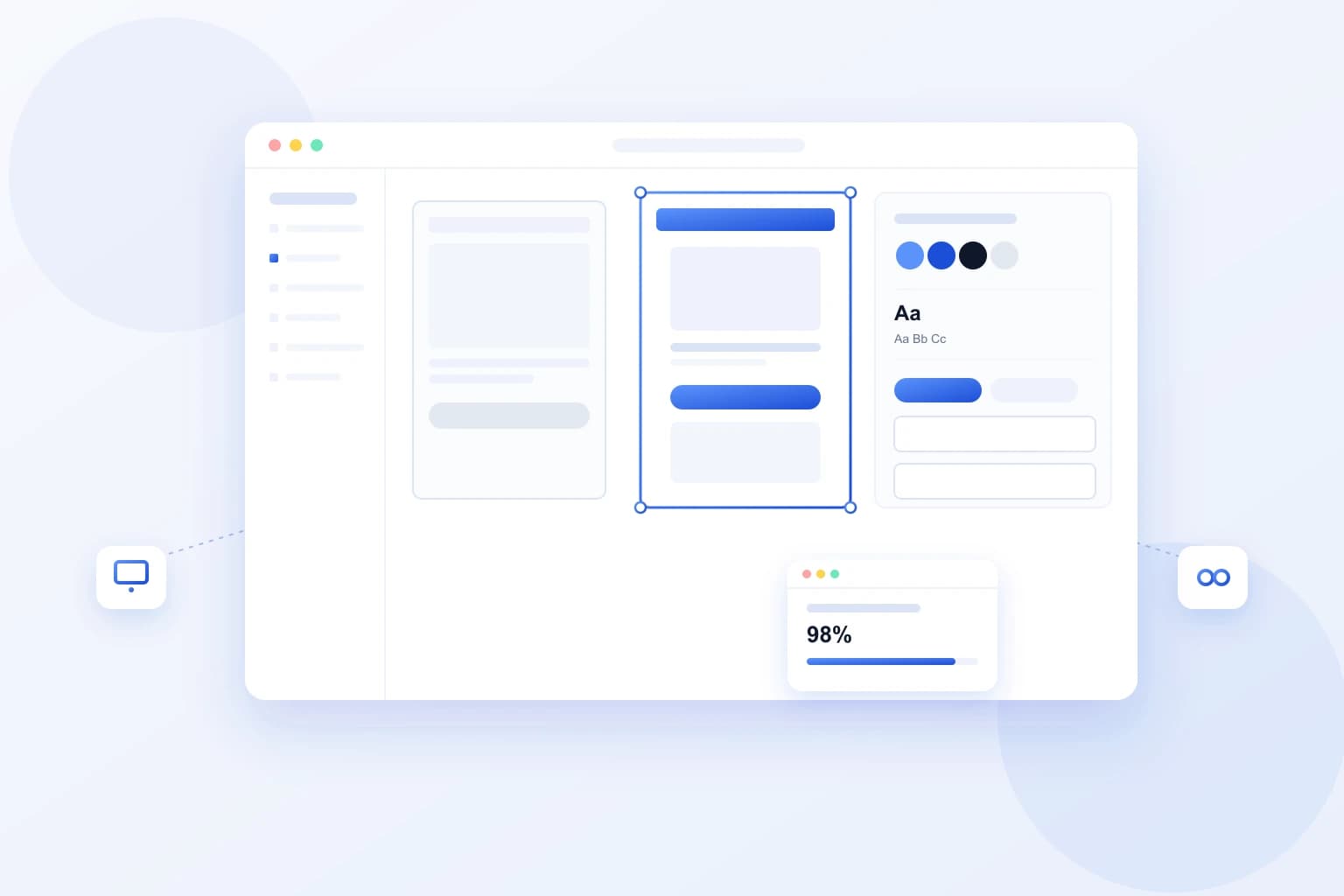
Enterprise Product Redesign
A complete product experience redesign with a reusable design system and production-ready specifications, replacing years of inconsistent UX.
A growing software company suffered from inconsistent UX, duplicated components and poor usability across its platform.
We redesigned the entire product experience, created a reusable design system and delivered production-ready specifications for development.
Higher usability
Faster development
Consistent design language
Improved user satisfaction
- Figma
- Design System
- React
- Next.js
Frequently asked questions
Related reading
Practical guides worth reading while you're scoping this kind of project.
How Design Systems Scale Products
Why a token-based design system holds up as a product grows, and what breaks without one.
UX vs UI vs Product Design
What each discipline actually covers, and where the boundaries between them get blurry in practice.
Design Tokens Explained
How design tokens keep colour, spacing, and typography consistent across a growing product.
Building Better Digital Products
The product design decisions that actually move usability and business outcomes, not just visuals.
Technologies we build this on
The stack pieces most relevant to a project like this one.
React Development
We build enterprise frontends in React with a deliberate architecture — component boundaries, state ownership, and rendering strategy decided upfront, not discovered through refactors after the codebase outgrows its structure.
Explore the stackNext.js Development
We build enterprise-grade web applications with Next.js, combining the App Router, Server Components, and hybrid rendering to ship products that are fast, scalable, and built to grow.
Explore the stackReact Native Development
We build high-performance cross-platform mobile applications using React Native, delivering native experiences for iOS and Android from a shared codebase.
Explore the stackServices that pair with this work
Other engineering disciplines projects like this one often need alongside it.
Web Development
We build fast, scalable and SEO-ready web applications, business platforms and corporate websites engineered for long-term growth.
Explore the serviceMobile App Development
Aixo Lab designs and builds native iOS, native Android, and cross-platform mobile applications, from architecture through App Store and Play Store release.
Explore the serviceMVP Development
Launch faster with a production-ready MVP designed to validate your business without creating technical debt.
Explore the serviceWhat this looks like once built
Reference architectures from our Representative Solutions collection that plausibly apply here.
Purpose-built platforms in this space
Dedicated landing pages for the specific platforms we build most often.
iOS & Android Mobile App Development Company
Native and cross-platform mobile apps — iOS, Android, and React Native — for startups and enterprises.
See the solutionCustom Web Application Development Company
Scalable web applications, customer portals, and enterprise platforms for growing businesses.
See the solutionReady to start your project?
Tell us what you're building — we'll tell you honestly whether we're the right fit.
No sales pressure. Just a direct technical conversation.